AI-Powered Cooking

The Smartest Way
to Cook

Transform simple ingredients into incredible dishes. Tell us what's in your kitchen and let our AI build personalized recipes that match your taste, diet, and schedule.

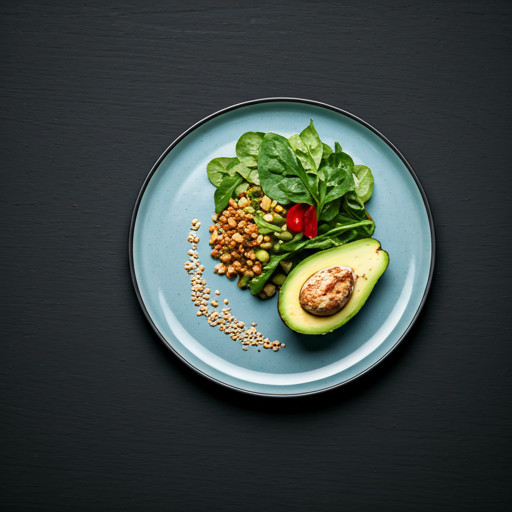
Healthy meal by EasyPlate
Nutritious & Delicious Personalized to you
0 +
Dietary Options
0 +
Cuisines Supported
0 %
Free to Use
0
Meal Types
Why EasyPlate?

What Makes EasyPlate Special?

Powerful tools designed to simplify your cooking, elevate your meals, and personalize every bite

🤖

Instant AI Recipes

Get tailor-made recipes in moments using whatever you already have at home, your dietary needs, and your schedule. No more wasted groceries.

🥗

Custom Diet Options

Whether you eat vegan, keto, halal, kosher, gluten-free, or low-carb — we've got you covered for every lifestyle and restriction.

⏱️

Guided Cooking Steps

Easy step-by-step directions guide you through every phase. From first-timers to seasoned chefs, you'll breeze through every recipe.

📊

Nutrition Breakdown

Full macro details including calories, protein, fat, and carbs accompany every recipe — perfect for athletes and wellness-conscious cooks.

🛒

Auto Grocery Lists

Generate ready-to-use shopping lists from any recipe with one click. Save, copy, or send them so your next grocery run is fast and stress-free.

💾

Save & Share Recipes

Save the recipes you love, share them on social platforms, or download them as PDFs. Ideal for food creators and cooking communities.

Try It Now

Build Your Perfect Meal

Fill in your preferences and let our AI craft a unique recipe tailored specifically to you

Sign In Required

You need to be signed in to view this content. Log in to your account or create one to get started.

Quick Start

Getting Started Is Simple

Three quick steps are all it takes to unlock custom, mouth-watering recipes

1

List What You Have

Share the ingredients in your fridge or pantry, your dietary preferences, and how much time you can spend in the kitchen.

2

AI Crafts Your Dish

Our smart AI analyzes everything and builds a one-of-a-kind recipe with thorough, easy-to-follow step-by-step directions.

3

Prepare & Savor

Follow the instructions, track nutritional details, and generate grocery lists. Bookmark your best creations and share them with friends!

Ready to Cook Something Amazing?

Join thousands of home cooks already using EasyPlate to create incredible meals every single day.

When Can I Eat Solid Food After Tooth Extraction? A Recovery Timeline That Actually Makes Sense

Here’s the truth nobody tells you: the “one week” rule for eating solid food after tooth extraction is a rough guideline at best. I’ve researched dozens of dental protocols, and the real answer depends on what type of procedure you had, how well you’re healing, and whether you’re willing to risk a dry socket for a bag of chips. This guide gives you the actual timeline dentists follow — not the simplified version they print on discharge papers.

The Real Reason You Can’t Rush Back to Solid Foods

After a tooth extraction, your body forms a blood clot over the socket where your tooth used to be. This clot isn’t just a Band-Aid — it’s the foundation of your entire healing process. It protects the exposed bone and nerves underneath while new tissue grows. If this clot gets dislodged (a condition called dry socket), you’re looking at severe pain that can set your recovery back by weeks.

Most dental sites give you a generic timeline. But here’s what I’ve found matters more: the complexity of your extraction matters far more than the calendar date. A simple pulled tooth heals differently than an impacted wisdom tooth that required surgical removal.

When Can I Eat Solid Food After Tooth Extraction? The Day-by-Day Breakdown

Days 1-2: Liquids and Nothing Else

For the first 24 to 48 hours, stick to liquids and extremely soft foods only. I’m talking about:

  • Clear broths and smooth soups (no chunks)
  • Applesauce
  • Yogurt (no fruit pieces)
  • Pudding and gelatin
  • Smoothies (eat with a spoon — no straws)
  • Ice cream or sorbet (the cold actually helps reduce swelling)

Critical warning: Do NOT use a straw. The suction pressure can dislodge your blood clot and cause dry socket. This is the most common mistake people make, and it’s completely avoidable.

Days 3-4: Introducing Soft Foods

By day three, if swelling is going down and there’s no excessive pain, you can start adding soft foods that require minimal chewing:

  • Scrambled eggs
  • Mashed potatoes
  • Oatmeal or cream of wheat
  • Soft pasta (well-cooked)
  • Cottage cheese
  • Avocado
  • Ripe bananas

Chew on the side opposite your extraction site. Take small bites and eat slowly. If something causes pain, stop immediately and go back to softer options.

Days 5-7: Gradual Return to Semi-Solids

Around day five, most patients can start adding semi-solid foods:

  • Well-cooked rice (soft, not al dente)
  • Tender, flaky fish
  • Soft-cooked vegetables
  • Pancakes or soft bread (toasted lightly — not crunchy)

Day 7+: When Can I Eat Solid Food After Wisdom Teeth Removal Specifically?

For simple extractions, most people can return to relatively normal eating after one week. But wisdom teeth removal is a different story entirely.

Because wisdom teeth are often impacted, require surgical removal, and sit deeper in the jaw, the recovery timeline extends significantly. Here’s my honest assessment: even if you can chew solid food after 7 days following wisdom teeth removal, you probably shouldn’t rush it. The surgical sites are larger, the stitches need more time, and the risk of food particles getting trapped is much higher.

For wisdom teeth removal, I recommend waiting 10-14 days before fully returning to solid foods. Start with softer solids at day 7 and gradually work your way up.

When Can You Eat Solid Food After Wisdom Teeth Removal? Key Signs You’re Ready

Rather than watching the calendar, watch for these healing indicators:

  • No more swelling — or at least significantly reduced
  • No bleeding when you gently rinse
  • You can open your mouth fully without pain or stiffness
  • The socket looks closed or nearly closed when you look in a mirror
  • No sharp pain when you gently press your tongue near the area

If you meet all five criteria, you’re likely ready to start reintroducing solid foods. If not, wait a few more days. Your patience will pay off.

Foods to Avoid Completely During Recovery

This list isn’t just suggestions — these foods can actively harm your healing:

Food Category Why to Avoid When You Can Reintroduce
Chips, pretzels, nuts Hard edges can tear stitches and irritate the wound 10-14 days minimum
Popcorn, seeds, rice Small particles get trapped in sockets 2 weeks or until socket is fully closed
Spicy foods Irritates gum tissue and causes pain After 1 week, if no irritation
Acidic foods (citrus, tomatoes) Stings exposed tissue and delays healing After 1 week
Chewy or sticky foods (caramel, gum, tough meat) Can pull out stitches or dislodge clots 2 weeks
Alcohol and carbonated drinks Interferes with healing and irritates tissue After 1 week minimum

How to Get Food Out of Wisdom Tooth Hole: Practical Solutions

Even if you’re careful, food will get stuck in your wisdom tooth holes. It’s one of the most frustrating parts of recovery. Here’s how to handle it safely.

The Salt Water Rinse Method (Safest Option)

Mix 1/2 teaspoon of salt in 8 ounces of warm water. Gently swish it around your mouth for 30 seconds, then let it fall out of your mouth — don’t spit forcefully. Repeat 3-4 times daily, especially after meals. This is your first line of defense and usually dislodges loose food particles.

The Syringe Method (After Day 5)

Your dentist may give you an irrigation syringe. If they do, here’s how to use it correctly:

  1. Fill the syringe with warm salt water
  2. Place the tip near the socket (not directly inside)
  3. Gently flush the area with low pressure
  4. Let the water and debris fall out naturally

Important: Don’t start using a syringe until at least day 5, and only if your dentist has cleared you. Using it too early can dislodge the blood clot.

Food Stuck in Wisdom Tooth Hole: When to Worry

Most trapped food is harmless and will work its way out. However, contact your dentist if you notice:

  • Persistent bad taste or odor that doesn’t go away after rinsing
  • Increasing pain after several days of improvement (possible dry socket or infection)
  • Swelling that returns after going down
  • Fever above 100.4°F (38°C)
  • Pus or discharge from the socket

Nutrition Tips for Faster Healing

Your body needs specific nutrients to repair tissue after dental surgery. Focus on these:

  • Protein — Essential for tissue repair. Get it from Greek yogurt, protein smoothies, eggs, and soft fish.
  • Vitamin C — Critical for collagen formation and wound healing. Pureed fruits and vegetable juices are good sources.
  • Zinc — Supports immune function and tissue repair. Found in meat broths and fortified cereals.
  • Stay hydrated — Dehydration slows healing significantly. Aim for at least 8 glasses of water daily.

Frequently Asked Questions

Can I eat solid food 3 days after tooth extraction?

It’s generally not recommended. Most dentists advise waiting at least 4-5 days for simple extractions and 7-10 days for wisdom teeth removal. At day 3, stick to soft foods like scrambled eggs, mashed potatoes, and yogurt.

What happens if I eat solid food too soon after wisdom teeth removal?

Eating solid food too early can dislodge the blood clot (causing dry socket), tear stitches, introduce food particles into the wound, or cause infection. These complications can extend your recovery by weeks and cause significant pain.

Can I eat rice after wisdom teeth removal?

Wait at least 5-7 days before eating rice. Rice grains are small enough to get trapped in the socket and can be difficult to remove. When you do eat rice, make sure it’s very soft and well-cooked.

How do I know if I have dry socket?

Dry socket typically causes severe, throbbing pain 2-4 days after extraction that radiates to your ear. You may also notice bad breath and an empty-looking socket where the blood clot should be. If you suspect dry socket, contact your dentist immediately.

Is it normal to still have holes 2 weeks after wisdom teeth removal?

Yes, wisdom tooth sockets can take 4-6 weeks to fully close. The holes should be getting smaller each week and not causing pain. Keep rinsing with salt water after meals until they’re fully closed.

Bottom Line

The question “when can I eat solid food after tooth extraction” doesn’t have a one-size-fits-all answer. For simple extractions, most people can start soft solids around day 3-5 and normal foods by day 7. For wisdom teeth removal, plan on 10-14 days before fully returning to solid foods. Listen to your body, follow your dentist’s specific instructions, and when in doubt, stay on soft foods a little longer. Your future self will thank you.

Have questions about your specific situation? Always consult with your oral surgeon or dentist for personalized advice based on your procedure and healing progress.

Food Poisoning vs Stomach Flu vs Norovirus: How to Actually Tell the Difference

You’re vomiting every hour. Your stomach is cramping. You can’t keep anything down. Your first question is probably: what’s happening to me? Your second question — and the one that determines how you should treat it and how long you’ll suffer — is whether you have food poisoning, stomach flu, or norovirus.

Most online guides give you a generic comparison chart and call it a day. But after diving deep into the medical literature, I’ve found that the distinction matters more than most people think — not just for your comfort, but for knowing when you need medical attention and how to avoid getting sick again.

The Fundamental Difference Nobody Explains Well

Here’s the simple truth that clears up most of the confusion:

  • Food poisoning is caused by consuming contaminated food or water containing harmful bacteria, viruses, parasites, or toxins. It’s about what you ate.
  • Stomach flu (viral gastroenteritis) is an intestinal infection caused by viruses — most commonly norovirus or rotavirus. It’s about what you caught, usually from another person.
  • Norovirus is actually the most common cause of both stomach flu AND food poisoning outbreaks. This is where the confusion comes from.

So norovirus can cause both “stomach flu” (when transmitted person-to-person) AND “food poisoning” (when transmitted through contaminated food). The same virus, two different routes of infection.

Food Poisoning vs Stomach Flu: The Timing Tells You Everything

If there’s one reliable way to tell these conditions apart, it’s the onset time — how quickly symptoms appear after exposure.

Factor Food Poisoning (Bacterial) Norovirus / Stomach Flu
Onset time Within 2-6 hours of eating contaminated food 12-48 hours after exposure to the virus
Duration Usually 1-3 days Typically 1-3 days, sometimes longer
Primary symptom Diarrhea, often with fever Sudden vomiting, often projectile
How you got it Ate contaminated food Contact with infected person or surface
Contagious to others? Usually not (unless caused by contagious pathogen like norovirus) Highly contagious

My practical rule of thumb: If you got sick within 6 hours of eating something questionable — especially at a restaurant, potluck, or with food left out too long — it’s almost certainly food poisoning. If you got sick a day or two after being around someone else who was sick, it’s likely norovirus/stomach flu.

Food Poisoning vs Norovirus: When the Same Virus Causes Both

Norovirus is the most common cause of foodborne illness outbreaks in the United States. When an infected food handler prepares your meal, or when shellfish is harvested from contaminated water, norovirus becomes “food poisoning” even though it’s the same virus that causes “stomach flu.”

Here’s how to think about the difference between food poisoning and norovirus in practical terms:

  • Norovirus as food poisoning: You ate contaminated food (often raw shellfish, salads, or food handled by a sick worker). Symptoms hit fast — within 12-48 hours. This often affects multiple people who ate the same thing.
  • Norovirus as stomach flu: You touched a contaminated surface, shook hands with an infected person, or were in close quarters with someone sick. The 12-48 hour incubation period applies here too.

Stomach Flu vs Food Poisoning: Symptom Comparison

While there’s overlap, certain symptoms are more characteristic of one condition than the other:

Symptoms More Typical of Food Poisoning

  • Severe abdominal cramps
  • Bloody diarrhea (especially with Salmonella, E. coli, or Campylobacter)
  • High fever (above 101.5°F / 38.6°C)
  • Symptoms starting very suddenly after a specific meal
  • Multiple people who ate the same food getting sick simultaneously

Symptoms More Typical of Stomach Flu / Norovirus

  • Sudden, violent vomiting (often the first symptom)
  • Projectile vomiting
  • Low-grade fever or no fever
  • Body aches and mild fatigue
  • Gradual onset over hours rather than minutes
  • Known exposure to someone else who was recently sick

Stomach Bug or Food Poisoning? The Key Questions to Ask Yourself

When you’re curled up on the bathroom floor, use this quick decision tree:

  1. When did symptoms start? Within 6 hours of eating = likely food poisoning. 12-48 hours after exposure = likely stomach flu/norovirus.
  2. Is anyone else sick? If multiple people who shared a meal are sick = food poisoning. If a family member or coworker was sick first = stomach flu.
  3. What’s the main symptom? Projectile vomiting first = stomach flu/norovirus. Diarrhea and cramps first = food poisoning.
  4. Any high fever or blood? These point toward bacterial food poisoning and may need medical attention.

Difference Between Food Poisoning and Stomach Flu: Treatment Approaches

Here’s where the distinction actually matters for your recovery. Both conditions are treated supportively (there’s no magic pill), but the approach differs slightly:

Treating Food Poisoning

  • Hydration is critical — especially if you have diarrhea. Use oral rehydration solutions or electrolyte drinks.
  • Let your body clear the toxin — don’t take anti-diarrheal medications right away if you have a high fever or bloody stool. Your body needs to expel the harmful bacteria.
  • Rest your digestive system — start with clear liquids, then BRAT diet (bananas, rice, applesauce, toast).
  • When to see a doctor: High fever, bloody stool, severe dehydration, symptoms lasting more than 3 days, or if you’re in a high-risk group (elderly, pregnant, immunocompromised, very young children).

Treating Stomach Flu / Norovirus

  • Hydration is even more critical — vomiting causes rapid fluid loss. Small, frequent sips are better than large gulps.
  • Isolation — you are highly contagious. Stay home for at least 24-48 hours after symptoms stop.
  • Disinfect surfaces — norovirus can survive on surfaces for days. Use a bleach-based cleaner.
  • When to see a doctor: Same red flags as food poisoning, plus signs of severe dehydration (dark urine, dizziness, dry mouth, no urination for 8+ hours).

Flu vs Food Poisoning: Wait, Is the “Flu” Different?

There’s an important distinction that confuses many people. When people say “flu,” they might mean:

  • Influenza (the actual flu): A respiratory virus causing fever, body aches, cough, and fatigue. It rarely causes vomiting in adults. This is NOT what causes stomach symptoms.
  • “Stomach flu” (not actually flu at all): This is viral gastroenteritis — an intestinal infection. Influenza viruses don’t cause this.

So “flu vs food poisoning” is a bit of a misnomer. If you have vomiting and diarrhea, you don’t have influenza. You have either food poisoning or viral gastroenteritis (“stomach flu”).

Stomach Flu or Food Poisoning: Prevention Strategies

Preventing Food Poisoning

  • Keep perishable foods refrigerated below 40°F (4°C)
  • Don’t leave food at room temperature for more than 2 hours
  • Cook meat to safe internal temperatures
  • Wash fruits and vegetables thoroughly
  • Be cautious with raw shellfish and undercooked eggs

Preventing Stomach Flu / Norovirus

  • Wash hands thoroughly with soap and water (hand sanitizer doesn’t kill norovirus well)
  • Disinfect surfaces with bleach-based cleaners
  • Wash contaminated laundry immediately on hot cycle
  • Stay home when you’re sick — and for 24-48 hours after symptoms stop
  • Don’t prepare food for others while sick or for 2-3 days after recovery

When to Seek Medical Attention

Most cases of both food poisoning and stomach flu resolve on their own within a few days. But seek medical care immediately if you experience:

  • Signs of severe dehydration: Extreme thirst, dry mouth, little to no urination, dizziness, confusion
  • Bloody vomit or stool
  • Fever above 101.5°F (38.6°C)
  • Severe abdominal pain that doesn’t improve
  • Symptoms lasting more than 3 days
  • Neurological symptoms: Blurred vision, muscle weakness, tingling (possible botulism — emergency!)

Frequently Asked Questions

Can food poisoning feel like stomach flu?

Yes — especially when norovirus is the cause. The symptoms are virtually identical because the same virus can be transmitted through food (food poisoning) or person-to-person contact (stomach flu). The key difference is usually the timing of onset and whether others around you are also sick.

How do I know if I have norovirus or food poisoning?

Ask yourself: Did symptoms start within 12-48 hours of eating a questionable meal, especially one shared with others? That’s likely norovirus food poisoning. Did you get sick 1-2 days after being around someone with similar symptoms? That’s likely norovirus stomach flu. Lab testing is the only way to know definitively.

How long does food poisoning last compared to stomach flu?

Most food poisoning cases resolve in 1-3 days. Stomach flu (norovirus) typically lasts 1-3 days as well. If symptoms persist beyond 3 days, or if you have high fever or bloody stool, see a doctor — this could indicate a more serious infection.

Is the stomach bug contagious?

Yes — viral gastroenteritis (“stomach bug”) is highly contagious. You can spread it before symptoms start, while you’re sick, and for days after recovery. Norovirus is one of the most contagious viruses known. It takes very few viral particles to infect someone.

Can one person get food poisoning and not another who ate the same thing?

Yes. Individual susceptibility varies based on stomach acidity, immune system strength, the amount of contaminated food consumed, and previous exposure to similar pathogens. However, if food is heavily contaminated, most or all people who ate it will likely get sick.

Bottom Line

The food poisoning vs stomach flu distinction matters less than knowing how to treat either condition and when to seek help. Both require hydration, rest, and monitoring. The key differences are:

  • Food poisoning hits faster (2-6 hours) and often comes from a specific contaminated meal
  • Stomach flu / norovirus has a longer incubation (12-48 hours) and is highly contagious
  • Norovirus causes both conditions depending on how you were exposed
  • Both usually resolve within 1-3 days with proper hydration and rest

When in doubt, err on the side of caution: stay hydrated, rest, and call your doctor if symptoms are severe or prolonged.